
Star power

A good-news story
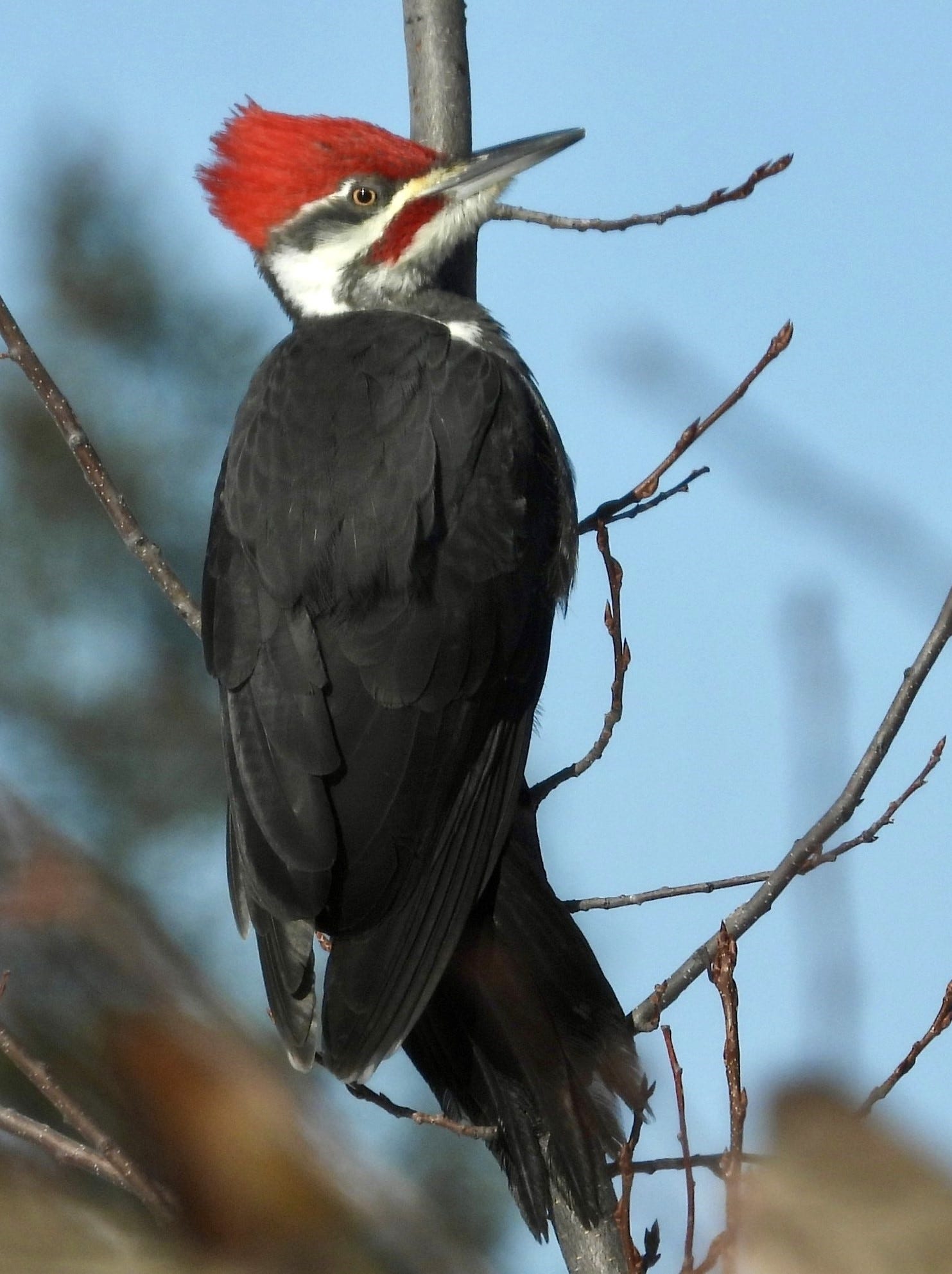
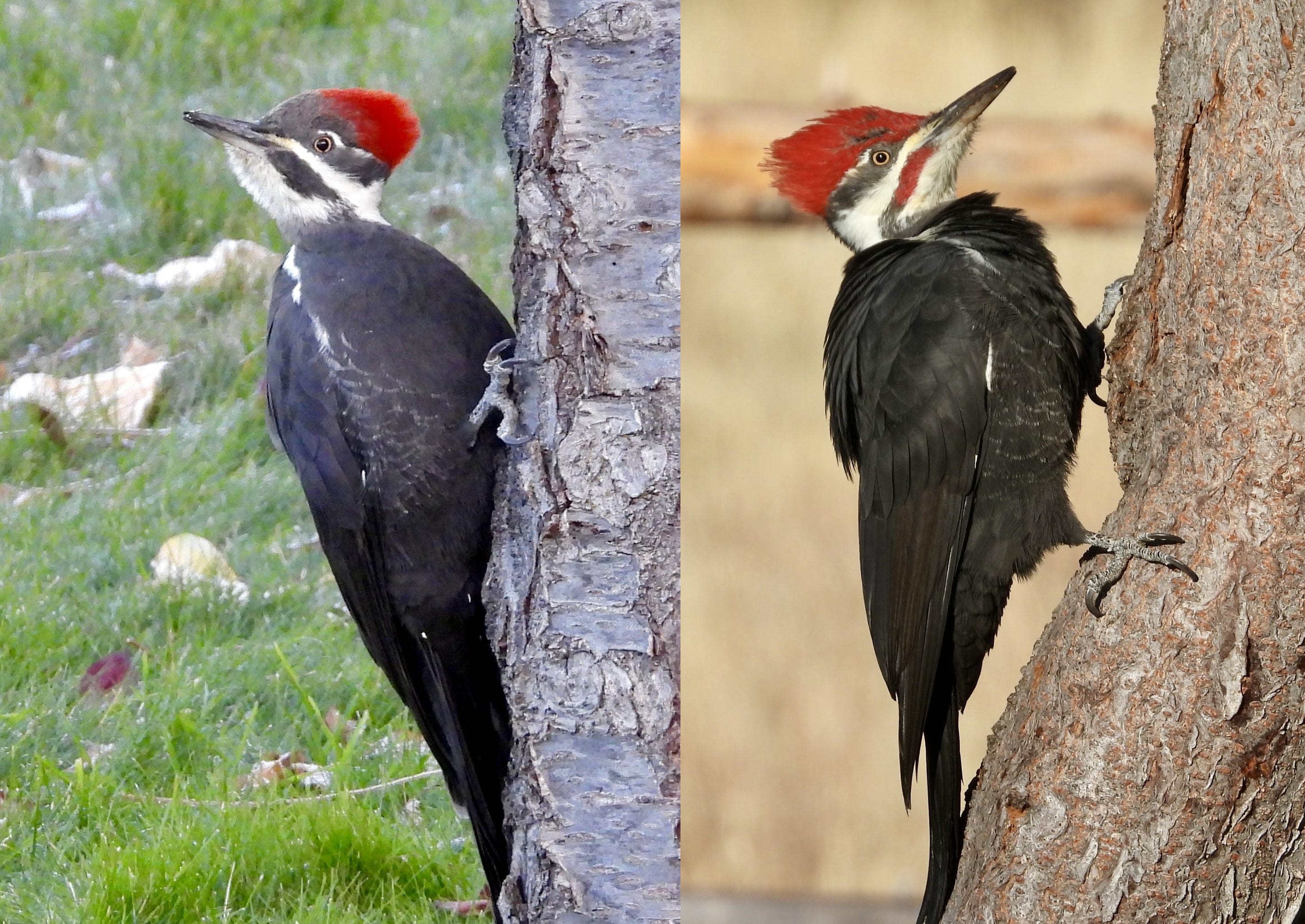
I heard it before I saw it. My mind filled with a litany of bad-news stories, I was walking down a dirt road that hugged a treed slope bordering fields when I heard a rapid-fire cuk cuk cuk cuk cuk ring out across the valley below me. Grinning in anticipation, I raised my binoculars and focused them on a dark, crow-sized bird pressed against the upper trunk of a cottonwood tree adjacent to a small stream. At once regal and comic, the bird’s striped face was topped by a jagged, eye-catching red crest that was raised in seeming agitation. I was looking at a Pileated Woodpecker, the largest extant woodpecker in the United States.
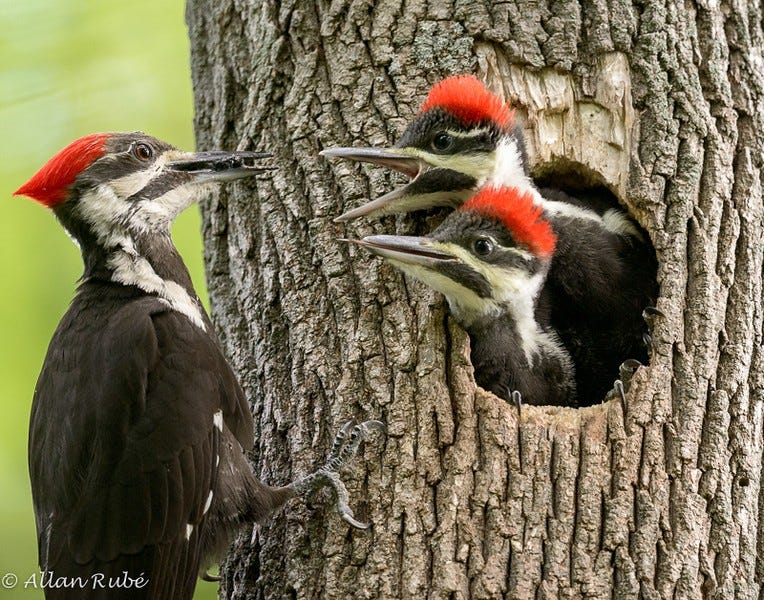
A resident of coniferous, deciduous and mixed forests, the pileated ranges over southern Canada and much of the US, excluding the Great Plains and the Southwest. In addition to its commanding size and striking appearance, the Pileated is renowned for being a keystone species—one that plays a disproportionately important role in its ecosystem relative to its abundance. With its powerful bill, the pileated excavates large, oval-shaped tree cavities that it uses for nesting and roosting. At least 38 bird and mammal species, nest or shelter in vacated pileated cavities, including ducks and small owls, martens and fishers, flying squirrels and bats.
The Pileated Woodpecker also accelerates wood decomposition and nutrient recycling by chiseling into downed logs and excavating large rectangular holes in standing live and dead trees while trying to extract the carpenter ants and woodboring beetles that are a significant component of the bird’s diet. By helping to control beetle populations, pileateds may further contribute to the health of forest ecosystems.
When I retraced my steps up the long hill, I glanced over at the clump of cottonwoods and saw that the male pileated had been joined by his mate. Over the last few decades, I’d seen pileateds countless times—on forest hikes, while driving past cottonwood groves, and even once on my own Montana property—but I’d rarely seen a pair together. The two birds seemed absorbed in their own activities, the female gleaning insects while the male perused his surroundings. Eventually he took off, flashing his diagnostic black-and-white wings as he powered his way, with slight undulations, toward a riparian corridor of pines and scattered cottonwoods.
I walked on with lighter steps, in a happier frame of mind. I’d observed the pileateds for only a few minutes, but often that’s all it takes for interactions with the natural world to give us a boost. Many of us need these brief interludes more than ever right now. Spending time in nature reduces anxiety, boosts mental health, improves heart health, promotes better sleep, and fosters creativity, among other benefits.
If you’re in the right habitat, seeing a Pileated Woodpecker is not particularly unusual, but these sightings always make an impression, lingering in your mind long after you’ve spotted the bird hammering on a downed log or hitching up a tree or flying through dappled forest light. While pileateds were once heavily persecuted and saw their populations decline as eastern forests were felled, subsequent protections and forest regeneration have bolstered their numbers. North America has lost nearly a third of its birds in the last 50 years, and, yet, pileated numbers have increased during this time period. So, not only had I been treated to a magnificent sighting of our largest woodpecker, but I’d also been touched by a good-news story. And when we’re besieged by a daily barrage of dispiriting news, that’s something we can all celebrate.
Take a small step to help birds
Birds are in crisis and need our help more than ever. According to the US Fish and Wildlife Service, over 96 million people in North America watch birds. If each of us does something (anything!) to help them, we may be able to reverse declining bird numbers.
Learn to love snags! If you own a property, leave standing dead trees (snags) in place rather than cutting them down—unless it’s a safety concern. Countless animals shelter and nest in tree cavities. Pileateds excavate new nests each year, making holes available for “secondary” cavity nesters, such as American Kestrels and small owls, which can’t excavate their own nests. Non-native European Starlings aggressively outcompete many of our native birds in claiming cavities, making these critical ecological features more scarce than ever.
Also, leave downed trees in place rather than removing or burning them since they provide insect food for a variety of birds, including pileateds and other woodpeckers.
If you don’t own property, you can still help cavity nesters by supporting public lands and natural areas with your voice and your vote. Public lands provide critical wildlife habitat, helping a host of at-risk species, in addition to protecting clean water and maintaining healthy ecosystems that benefit us all.
Pick up and dispose of trash wherever you see it. For trash that is unpleasant to pick up, carry compostable dog-waste pickup bags on your walks. And don’t forget to pick up your dog’s waste while you’re at it! Dog feces differ from those of wildlife in containing nutrients that can damage the ecology of sensitive areas. In high-traffic natural areas (like woodland trails), excessive dog waste can pollute the environment with high levels of nitrogen and phosphorus, which can give non-native plants a competitive edge over native plants and harm wildlife and its habitats.
When we’re overwhelmed by bad news of all kinds, including climate change and disappearing wildlife, action is the antidote to despair. Making small changes in our lives to help birds can boost our spirits as well as boosting the survival of our feathered neighbors.
Until next time …
P.S. If you purchase my book Feather Trails—A Journey of Discovery Among Endangered Birds from Chelsea Green Publishing, get 35% off by using the code CGP35 at checkout. If you’ve read and enjoyed the book, please consider giving it a rating on Goodreads or Amazon.
Profound thanks to those who have supported my writing and bird-conservation work by buying me a coffee!
I will never forget looking out a window when I was in my early 20’s and seeing this pterodactyl-like bird pecking at a stump! I had no idea what it was and spent over an hour watching it! Incredible birds! I had no idea of how important they are as a keystone species! Once again, I learned something from your wonderful post and thoroughly enjoyed the beautiful and evocative writing! 💜💙💚
I hope their size and the thrill at seeing them continues to garner good will with people and maintain their numbers. Flickers are heavily shot and persecuted for pecking at house siding, which is terrible as they're a protected species! Seeing a Pilleated always makes my day!